
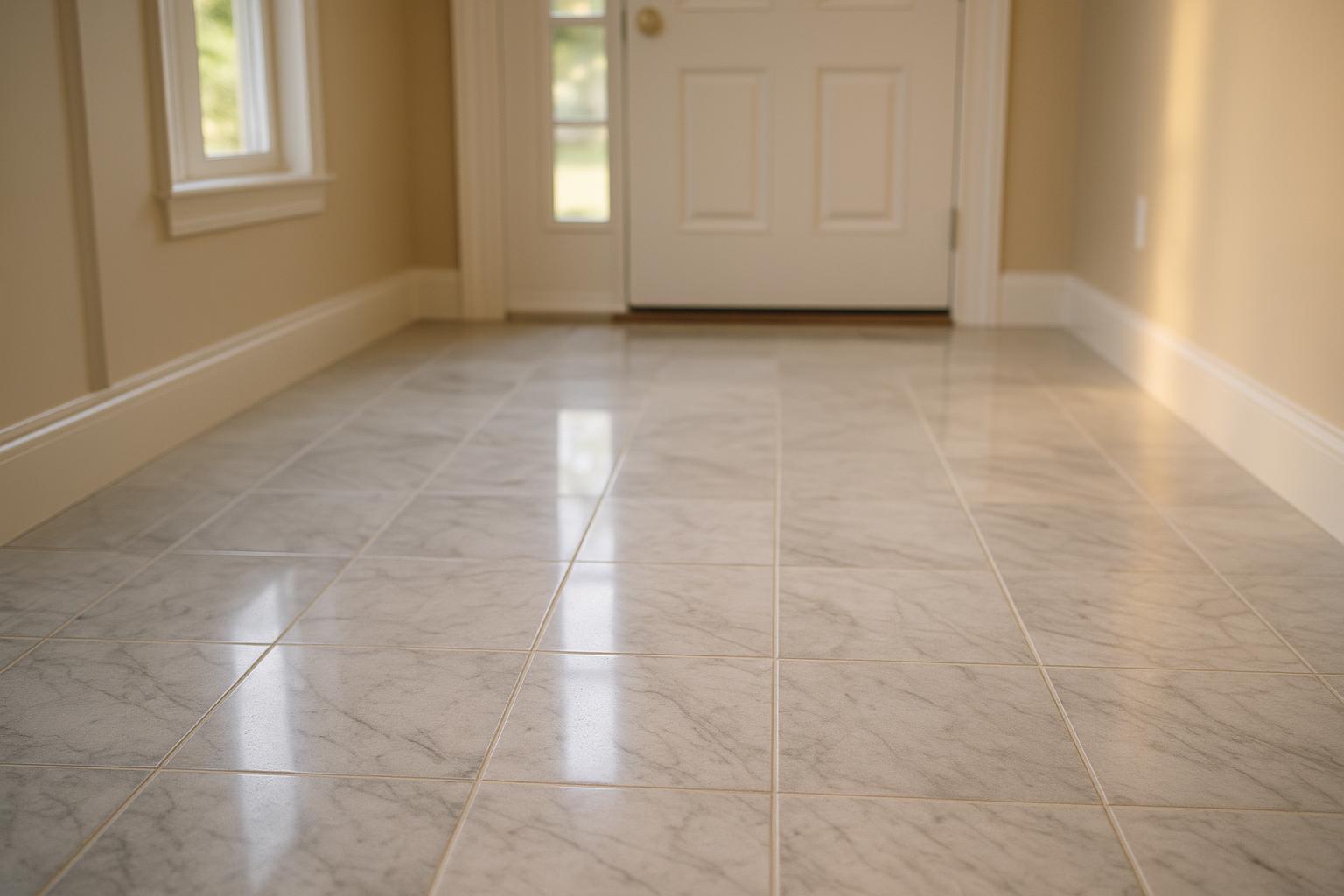
Natural stone is the premium end of what we do — and a differentiator most flooring companies in Middle Tennessee don’t offer. Murfreesboro Flooring installs marble, travertine, granite, and other natural stone across Murfreesboro and the surrounding area, with the careful subfloor prep and setting that a material this valuable demands. When you want a floor that reads as genuine luxury, this is it.
What marble & natural stone flooring is
Natural stone flooring is exactly that — real stone quarried from the earth, cut into tiles or slabs, and set in place. Each type has its own character:
- Marble — the classic luxury stone, prized for its veining and depth; elegant in entryways, baths, and statement spaces.
- Travertine — a warm, earthy limestone with natural texture; popular for its softer, Old-World look.
- Granite — extremely hard and durable, with a speckled, high-end look that stands up to heavy traffic.
- Slate and other stone — rugged, textured, and distinctive for entries and mudrooms.
Because it’s a natural material, no two stone floors are identical — the veining and color variation are part of the appeal.
Why homeowners choose natural stone
- Genuine luxury. Nothing imitates the look and feel of real marble or travertine — it signals quality the moment you walk in.
- One of a kind. Natural veining and variation mean your floor is unique; it can’t be mass-printed like laminate or LVP.
- Long-lasting. Properly installed and maintained, stone floors last for decades and can be refinished and resealed to renew them.
- Adds real value. Stone in the right spaces reads as a high-end feature to buyers and appraisers alike.
Where stone fits in a home
Marble and natural stone are at their best in entryways, foyers, bathrooms, powder rooms, and statement spaces — the areas where a premium first impression matters and where the material’s cool, solid feel is a feature. Stone requires proper sealing and a bit more care than synthetic floors, so for busy family rooms or kitchens many homeowners pair a stone entry with warmer, lower-maintenance hardwood or waterproof LVP elsewhere. Because we install every material, we can plan a whole home where the stone lands exactly where it earns its keep.
How a stone installation works
Stone is heavy, rigid, and unforgiving of a bad base — which is why the prep underneath a stone floor is even more critical than usual. A shifting or uneven subfloor cracks tile and grout.
-
Free consultation
We look at the space, the subfloor, and the stone you have in mind, talk through sealing and maintenance, and give you a free quote. We call back within a day.
-
Subfloor prep & substrate
Stone needs a rigid, level, properly prepared substrate so it doesn’t flex, crack, or loosen over time. We level and prepare the base correctly before any stone is set. See subfloor prep and moisture remediation.
-
Layout & setting
We dry-lay and plan the pattern so veining and cuts land right, then set the stone in the correct mortar with consistent spacing — the details that separate a craftsman install from a rushed one.
-
Grouting & sealing
We grout, then seal the stone and grout so the floor resists staining and moisture — essential for a porous natural material.
-
Final walkthrough
We clean up, walk the finished floor with you, and go over how to care for and reseal it so it lasts.
Done right the first time — stone punishes a bad base
Natural stone is rigid and heavy, so any flex, movement, or unevenness in the subfloor shows up as cracked tiles and failing grout lines. That’s why our substrate prep is uncompromising on stone jobs. Set it right on a solid base and seal it properly, and a stone floor lasts for decades. That’s craftsmanship you don’t get from a cut-rate install.
Typical pricing for stone in Middle Tennessee
Natural stone sits at the premium end of flooring, and installed cost depends heavily on the stone you choose, the complexity of the layout, the substrate work required, and sealing. Because it varies so widely, we don’t quote stone from a price chart — a free consultation, where we see the space and the material, is the only honest way to give you a real number. No pressure, just a straight answer.
Frequently asked questions
Does natural stone flooring need to be sealed?
Yes. Marble, travertine, and most natural stone are porous, so we seal the stone and grout after installation, and it should be resealed periodically. Sealing is what protects it from staining and moisture — we’ll walk you through the schedule for your specific stone.
Is marble too high-maintenance for a home?
Marble does need more care than LVP or laminate — sealing, gentle cleaners, and prompt cleanup of spills. Placed in entries, baths, and statement rooms rather than a busy kitchen, it’s very livable. We’ll help you put it where it makes sense.
Why is subfloor prep so important for stone?
Stone is rigid and won’t flex with the floor. If the substrate moves or isn’t level, tiles crack and grout fails. A solid, properly prepared base is the single biggest factor in whether a stone floor lasts — and it’s where we don’t cut corners.
Do many flooring companies install natural stone?
Not many — it takes specific skill and patience, and a lot of installers skip it. It’s one of our specialties, which means you can get stone, hardwood, LVP, and everything else from one crew with one prep standard.
Get a free quote for your stone project
Tell us about your project and we’ll call you back within a day with honest guidance and a free quote — no pressure.