

There’s nothing quite like the look of polished marble floors—elegant, timeless, and luxurious. But if you’ve lived with marble long enough, you know it doesn’t stay beautiful on its own. While durable, marble is also a natural stone that’s prone to etching, staining, and losing its shine without the right care. That’s where proper marble flooring maintenance comes into play. Homeowners need to understand proper marble material maintenance to ensure their flooring looks great for years to come!
Whether you’ve recently had marble installed or you’re looking to restore its original glow, this guide is here to help. As professionals who’ve worked with marble for years, we know the do’s and don’ts that make a real difference. You don’t need fancy tools or expensive products—just a bit of know-how and a regular routine.
In this article, we’ll guide you through the best methods for cleaning, protecting, and preserving your marble floors, ensuring they remain stunning for years to come. From daily care tips to long-term maintenance and restoration advice, this is your go-to guide for keeping your marble looking its best.
Let’s protect your investment—and keep your home looking its best.
Why Marble Needs Special Care
Marble is a porous natural stone, which means it can absorb liquids and stain easily if not properly sealed and maintained. Unlike ceramic or vinyl, marble is sensitive to acidic substances and can be damaged by everyday spills. Even simple water spots can dull the surface over time. As a result, flooring maintenance for marble requires more intentional and consistent attention.
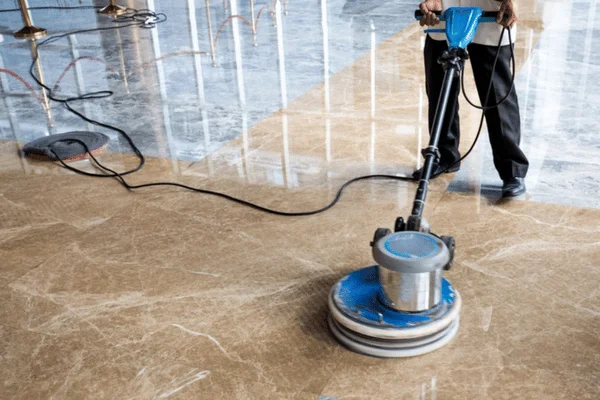
Homeowners often face problems with marble flooring due to neglect or improper cleaning techniques. Understanding marble’s unique properties is the first step in maintaining its beauty. With proper care, however, you can prevent damage and significantly extend the life of your floors.
Daily and Weekly Marble Floor Cleaning Routine
Keeping your marble floors clean on a daily and weekly basis is the foundation of good marble flooring maintenance. Dirt, sand, and grit may seem harmless, but they act like sandpaper under your shoes and can cause fine scratches. A soft, dry dust mop should be used daily to remove debris.
For weekly cleaning, use a pH-neutral stone cleaner diluted in warm water. Avoid acidic or abrasive cleaners at all costs. These can break down the sealant or etch the surface. Don’t let spills sit—wipe them up immediately with a soft cloth. The goal is to keep the surface free from grit and moisture without stripping its protective finish.
Preventing Common Marble Flooring Problems
Even with regular cleaning, several issues can develop if marble floors aren’t properly cared for. Let’s take a closer look at the most common marble flooring problems and how to avoid them.
Etching and Stains
Etching occurs when acidic substances, such as lemon juice, wine, or vinegar, come into contact with marble, dulling the surface and leaving light marks. Stains, on the other hand, occur when colored substances seep into the porous stone. To avoid both, seal your marble regularly and clean up spills immediately.
Place coasters under drinks and mats under plants or appliances to prevent damage. For food prep areas, use trays to create a buffer. Using a high-quality sealer at least once a year reduces the risk of both etching and staining, making cleaning easier.
Scratches and Scuff Marks
Marble may be stone, but it’s not immune to scratches. Small rocks or even high heels can leave scuff marks if you’re not careful. The key is to reduce abrasion. Place rugs in high-traffic areas, especially near entryways.
Use felt pads under furniture legs to prevent scraping. Avoid dragging furniture across the floor. For existing scuffs, use a soft cloth and a marble-safe polishing compound to gently buff them out. Consistent care will help preserve the smooth, unblemished look of your marble.
How to Maintain Marble Flooring Through Sealing
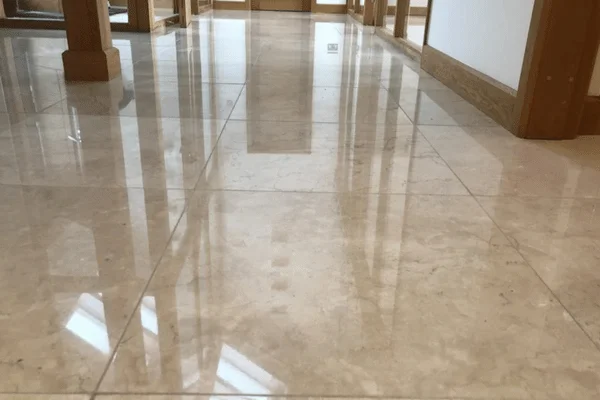
Sealing is a non-negotiable part of maintaining marble flooring. Because marble is naturally porous, a good sealer helps protect against moisture, spills, and stains. Most marble floors should be sealed once or twice a year, depending on the level of use and traffic in the area. Use a high-quality, penetrating sealer designed specifically for marble.
Before sealing, thoroughly clean the floor and allow it to dry completely. Then apply the sealer evenly using a soft cloth or applicator. Allow it to absorb and cure per the manufacturer’s directions. Regular sealing not only helps prevent marble flooring problems but also enhances the natural beauty of the stone.
Tips for Polishing Marble Floors Without Damaging Them
When it comes to polishing marble floors, a gentle approach is best. Over-polishing or using harsh chemicals can lead to permanent damage. Begin by cleaning the floor with a pH-neutral cleaner and letting it dry. Use a microfiber cloth or a specialized marble polishing pad to buff the surface in circular motions.
Avoid using wax-based products, which can build up over time and cause dullness. For a deeper shine, you can use a marble polishing powder or cream, but only as directed. When done correctly, polishing marble floors brings back their natural luster without weakening the surface.
Long-Term Flooring Maintenance Strategies
Aside from cleaning and polishing, long-term flooring maintenance involves monitoring wear and tear and knowing when to enlist the help of professionals. High-traffic areas should be inspected regularly for signs of etching, dullness, or grout breakdown. Consider professional deep cleaning and honing every few years to restore the stone’s original finish.
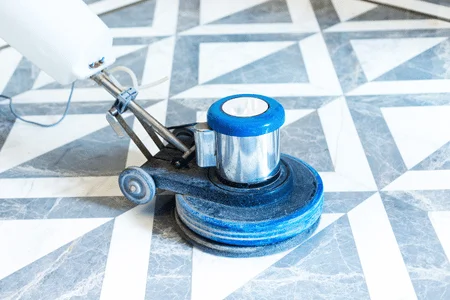
Always use entry mats to reduce dirt, and kindly ask guests to remove their shoes upon entering. Maintaining consistent humidity levels in your home also helps, as marble can expand and contract with significant changes in humidity. Following these strategies ensures your marble flooring remains a standout feature of your home for decades.
When to Call a Marble Flooring Specialist
Not all damage can be fixed with a mop and polish. If you notice deep etching, widespread staining, or large cracks, it’s time to call in a pro. Professional marble floor technicians can resurface, hone, and reseal floors using industrial-grade tools that surpass the capabilities of DIY methods.
Specialists understand the intricacies of different marble types and finishes, ensuring the repair or restoration is tailored to your exact flooring. Regular check-ins from a marble care expert are an essential part of smart flooring maintenance, especially in homes or businesses with high foot traffic. Investing in expert help when needed protects your long-term investment and prevents minor problems from escalating into costly repairs.
Final Thoughts on Marble Flooring Maintenance
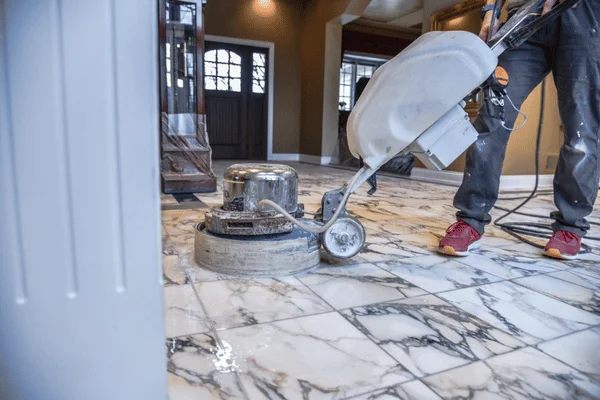
Marble flooring is a beautiful investment, but it requires more than just occasional cleaning to maintain its top condition. With consistent care, proper sealing, and the right approach to polishing, you can avoid most marble flooring problems and enjoy a pristine, polished surface for years. Knowing how to maintain marble flooring properly makes all the difference between a floor that fades and one that stays timeless.
If you’re in the Murfreesboro area and want expert help with marble flooring maintenance, trust the professionals at Murfreesboro Flooring. We specialize in natural stone care, offering customized solutions that keep your floors protected and stunning. Thinking about an upgrade to your home with marble flooring? Contact us today to schedule a consultation and give your marble the care it deserves.
FAQs
1. How often should I seal my marble floors?
You should seal your marble floors every 6 to 12 months, depending on the level of foot traffic and usage. Regular sealing is an essential part of marble flooring maintenance, as it protects the stone from absorbing spills, moisture, and dirt—common culprits behind long-term marble flooring problems, such as stains, etching, and dullness.
2. Can I use vinegar to clean marble floors?
Never use vinegar or other acidic cleaners on marble. These substances react with the stone’s calcium carbonate, causing permanent etching. To prevent damaging your floors, use only pH-neutral products designed explicitly for marble flooring maintenance. This helps preserve shine and prevents unnecessary wear that can shorten your marble’s lifespan.
3. What’s the best way to deal with dull spots on marble?
Dull spots are typically signs of etching from acidic substances. For light damage, try polishing marble floors with a marble-approved polishing compound. If the surface still looks uneven or cloudy, a professional can refinish and hone the stone. Quick action prevents these marble flooring problems from worsening over time.
4. Are marble floors suitable for high-traffic areas?
Marble can withstand high-traffic areas but requires consistent flooring maintenance to maintain its top condition. Use rugs and mats to catch dirt and grit, clean regularly, and reseal as needed. With the right care, marble flooring adds elegance and durability, even in high-traffic areas like entryways, kitchens, or living rooms.
5. How do I know if my marble floor needs professional restoration?
If your floor exhibits deep scratches, uneven coloring, dullness, or widespread etching, it’s time to seek expert help. A specialist understands how to maintain marble flooring properly and can restore its shine through honing and sealing. Don’t wait—early restoration can prevent bigger, more expensive marble flooring problems down the road.