
Choosing the best commercial flooring is a high-stakes decision that impacts your overhead, safety compliance, and brand image. Unlike residential projects, commercial environments subject floors to punishing foot traffic, rolling loads, and stringent health code requirements.
At Murfreesboro Flooring, we’ve spent over 20 years helping Middle Tennessee businesses navigate these choices. We know that the cheapest floor often becomes the most expensive when you factor in premature failure and business downtime. This guide breaks down the top commercial flooring options to help you secure a high-performance solution that aligns with your long-term operational goals.
Key Factors to Consider When Selecting Commercial Flooring
Selecting the right material requires a technical evaluation of your specific environment. Our commercial floor installers always look at these four pillars before making a recommendation:
- Traffic Volume: Are you handling 50 people a day or 5,000? Retail environments need high-wear layers, while warehouses require impact resistance.
- Maintenance Requirements: Can the floor be cleaned with a simple microfiber mop, or does it require periodic stripping and waxing?
- Safety and Compliance: Does the material meet ADA slip-resistance standards or specific healthcare sanitization requirements?
- Subfloor Conditions: At Murfreesboro Flooring, we prioritize moisture testing. Even the most premium flooring will fail if the concrete slab has a high moisture vapor emission rate.
These factors don’t operate in isolation. A floor that performs well in one category can fail quickly if another is overlooked. For example, a product that looks great in a showroom may not hold up under heavy foot traffic, or a low-maintenance option may still fail if moisture issues aren’t addressed first. Taking the time to evaluate all four areas together leads to a flooring system that lasts longer, performs better, and avoids costly repairs or early replacement.
Best Commercial Flooring Options for Different Industries
Not all flooring options are created equal. Different industries demand different chemical resistances and acoustic properties.
Commercial Vinyl Flooring for Versatility and Durability
Vinyl flooring—specifically Luxury Vinyl Tile (LVT) and Sheet Vinyl—is one of the most widely used options. It offers an incredible balance of aesthetics and performance. It also mimics the look of natural wood or stone, but features a 20mil+ wear layer that handles heavy foot traffic effortlessly. It is a staple in retail stores because it is easy to repair; if one tile is damaged, our installers can replace it without tearing up the entire room.
Tile Flooring for High-Moisture Environments
For commercial kitchens, locker rooms, or healthcare facilities, porcelain and ceramic tiles remain the top choice. They are virtually impervious to water and can be installed with epoxy grout for maximum chemical resistance. This is essential for meeting hygiene standards in food service and medical settings.
Polished Concrete for Industrial and Modern Spaces
Polished concrete is the ultimate low-maintenance solution for big-box retail and industrial warehouses. It’s created by grinding the existing slab to a high-gloss finish. It also eliminates the need for topical coatings, making it an eco-friendly and cost-effective choice for massive square footage.
Carpet Tiles for Offices and Low-Traffic Areas
Modern offices rely on carpet tiles for superior acoustics and comfort. Unlike traditional broadloom carpet, tiles allow for selective replacement. If a coffee spill ruins a section, you simply swap out those specific tiles, significantly extending the life of your investment.
Related: Top 7 High-Traffic Flooring Options for Commercial Interior Design
Choosing Flooring for Retail Stores and Customer-Facing Spaces
In retail stores, the environment must be Instagrammable yet indestructible. You are balancing the customer’s sensory experience with the reality of muddy boots and shopping cart wheels.
Flooring That Enhances Customer Experience
The feel underfoot matters. A floor that is too hard can lead to mall fatigue, causing customers to leave sooner. We often recommend commercial vinyl flooring with a high-density acoustic backing to dampen echoes and provide enough cushion for long-term comfort that encourages shoppers to linger.
Balancing Durability and Visual Appeal
Your floor is the backdrop of your brand. Whether you want a rustic reclaimed wood look or a sleek industrial slate, we help you find materials that maintain their visual integrity. Murfreesboro Flooring will ensure that transition strips and base cove molding are perfectly installed to create a seamless, high-end look that stands up to daily scrubbing.
Common Mistakes Businesses Make When Choosing Commercial Flooring
After 20+ years as contractors, we’ve seen the same mistakes repeated.
- Prioritizing Cost Over Performance: Buying residential-grade LVT for a commercial lobby will result in the floor wearing through to the pattern within 12 months.
- Ignoring Subfloor Conditions: Skipping a $300 moisture test can lead to a $30,000 floor failure.
- Wrong Material for the Environment: Installing carpet in a high-spill area or polished concrete in a space that requires high-end acoustics.
Most flooring failures aren’t caused by the material itself. They’re caused by mismatches between the product and the environment. A floor that performs well in one setting can break down quickly in another if traffic, moisture, or maintenance needs aren’t properly considered. Taking the time to evaluate these factors upfront helps avoid premature wear, costly repairs, and operational disruptions down the line.
How to Choose the Right Commercial Floor Installers
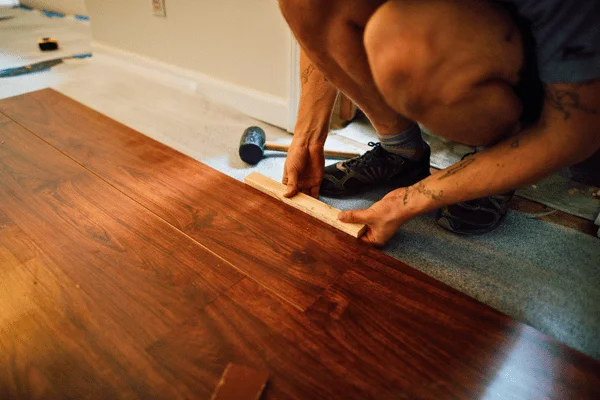
The success of your renovation depends entirely on your flooring installers. You aren’t just hiring labor. You are hiring project managers.
What to Look for in Commercial Flooring Contractors
Look for a company with a dedicated commercial division. You need a team that understands phased installation by working overnight or in sections so your business never has to close its doors. Check for a minimum of $2M in liability insurance and a portfolio of local retail and industrial projects.
Questions to Ask Before Hiring a Flooring Company
- Do you perform moisture testing on the concrete before installation?
- What is your plan for minimizing downtime for my staff and customers?
- Are your installers factory-certified for the specific material I’ve chosen?
- Do you provide a comprehensive labor warranty in addition to the manufacturer’s warranty?
Final Thoughts: Selecting the Best Commercial Flooring for Long-Term Performance
Selecting the best commercial flooring is an investment in your business’s future. By choosing the right material for your traffic levels and ensuring a professional installation, you create a space that is safe, beautiful, and profitable.
At Murfreesboro Flooring, we handle every detail from material selection to final walkthrough. Get expert guidance on choosing the best flooring for your facility and request a consultation today!
Frequently Asked Questions
1. What is the most durable commercial flooring for high-traffic retail?
Commercial vinyl flooring (LVT) and polished concrete are the most durable options. LVT is preferred for its aesthetic variety and ease of repair, while polished concrete offers the lowest lifetime maintenance cost for massive spaces.
2. How much does commercial flooring installation cost?
Costs vary based on the material and subfloor prep required. Generally, professional labor ranges from $2 to $5 per square foot, plus the cost of materials and moisture mitigation, if necessary.
3. How long does a commercial flooring project typically take?
A typical 2,000 sq. ft. retail space can be completed in 2 to 4 days. However, as experienced commercial flooring contractors, we often utilize phased scheduling to work after hours, ensuring your business stays open during the process.
4. Why is moisture testing important for commercial floors?
Concrete slabs naturally release moisture. If that moisture is trapped under non-porous flooring like vinyl, it can destroy the adhesive and cause mold. Testing ensures we use the correct barriers to prevent this.
5. Can I install vinyl flooring over my existing floor?
In some cases, yes, provided the existing floor is well-bonded, flat, and structurally sound. However, our installers usually recommend a full tear-out to ensure the subfloor is properly prepped for the longest possible lifespan.
6. Are there eco-friendly flooring options available for businesses?
Yes. Polished concrete is the most sustainable choice, as it utilizes your existing slab. Other high-performance options include carbon-neutral linoleum, recycled-content carpet tiles, and rapidly renewable cork. Many of these materials help your facility achieve LEED certification by improving indoor air quality and reducing environmental impact.