
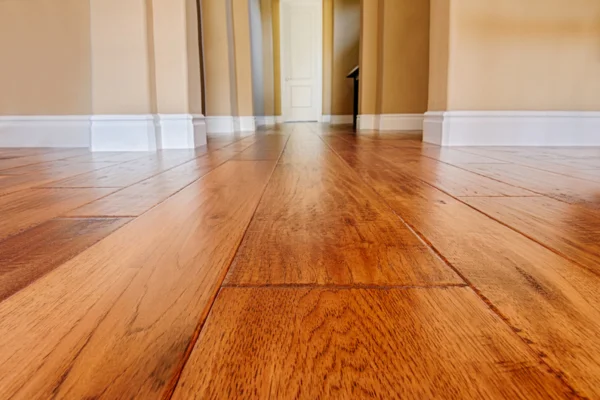
Hardwood floors are a timeless and elegant feature in many homes, offering warmth, charm, and durability. However, like any natural material, hardwood requires care and maintenance to maintain its best appearance over the years. One of the most important maintenance tasks is refinishing—removing the old finish, sanding the surface, and applying a fresh protective layer. This process restores the wood’s beauty and extends its life.
Most flooring experts recommend refinishing hardwood floors every 7 to 10 years; however, this timeline can vary significantly depending on how your home is used and cared for. If you notice dullness, scratches, or discoloration on your floors sooner than expected, it might be a sign that refinishing is overdue.
In this article, we’ll help you understand how often to refinish hardwood floors, the factors that influence this schedule, the telltale signs you need professional refinishing, and why investing in wood floor refinishing services is often a smarter choice than replacement.
Let’s take a look at what you need to know to answer the question of how long does hardwood floor finish last:
How Often Should You Refinish Hardwood Floors?
The answer to how often to refinish hardwood floors depends on several lifestyle and environmental factors. While the standard guideline is every 7 to 10 years, it’s not uncommon for some homes to require refinishing sooner, especially with high use. Here’s a deeper look at what you need to know about when to refinish hardwood floors:
General Guidelines for Refinishing Frequency
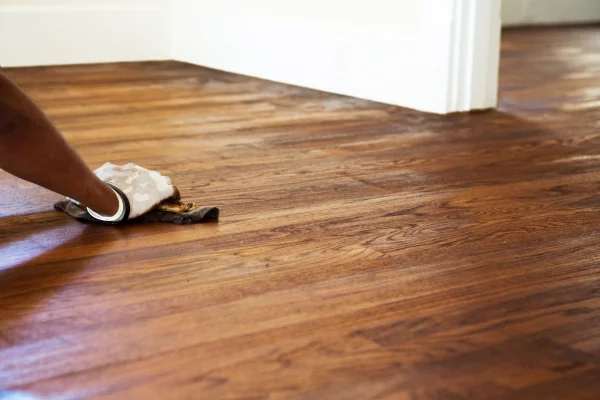
Under typical conditions, refinishing hardwood floors every 7 to 10 years keeps them looking fresh and protects the wood beneath from wear. Refinishing removes surface scratches and blemishes, replenishes the finish that shields the wood from moisture and dirt, and revives the floor’s natural luster.
However, not all floors age at the same rate. Factors such as the type of wood, quality of finish, and exposure to sunlight can affect how quickly floors show signs of wear.
Factors That Impact Refinishing Needs (Pets, Traffic, Finish Type)
The type and quality of your floor’s finish greatly affect how long the hardwood floor finish lasts. When deciding when to refinish, consider these common influences:
- Foot Traffic: Busy households with children, pets, or numerous visitors naturally wear down floor finishes more quickly. Entryways, hallways, and living rooms often need refinishing more frequently than bedrooms or guest rooms.
- Pets: Dogs and cats can unintentionally cause scratches and damage to hardwood floors with their claws. Homes with pets often require refinishing sooner due to these increased wear points.
- Finish Type: Modern polyurethane finishes tend to be more durable and longer-lasting than traditional wax or oil-based finishes. Floors finished with tougher coatings may go longer between refinishing jobs.
- Environmental Factors: Exposure to direct sunlight can cause floors to fade and degrade finishes, while fluctuating humidity and temperature levels may cause wood to expand or contract, compromising the integrity of the finish.
By assessing these factors, you can better predict when to refinish to keep your hardwood floor protected and looking its best.
Signs It’s Time to Refinish Your Hardwood Floors
Recognizing the right time to refinish hardwood floors will save you money and frustration. Ignoring these signs may lead to permanent damage that requires costly repairs or replacement.
Dull or Cloudy Appearance
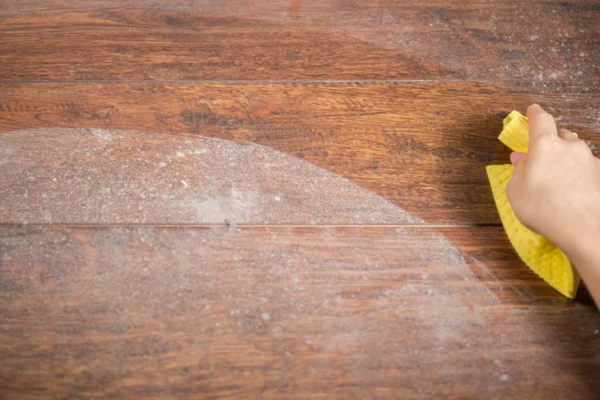
One of the earliest indicators that your hardwood floors need refinishing is a loss of shine. Over time, foot traffic, cleaning chemicals, and UV exposure can cause finishes to become dull or cloudy. This not only reduces the aesthetic appeal of your floors but also means the wood is less protected. Refinishing can restore the original gloss and enhance the overall ambiance of your home.
Deep Scratches and Visible Wear
Surface scratches and scuffs are inevitable, but deep scratches that cut through the finish and into the wood signal a need for refinishing. These imperfections trap dirt and moisture, accelerating deterioration. If you notice worn patches or the finish is flaking, it’s time to take action.
Discoloration or Water Damage
Water stains or dark discoloration spots mean the protective finish has been compromised, allowing moisture to penetrate the wood. This can cause warping, swelling, or rot if left untreated. Early refinishing can reverse minor damage and prevent further issues from occurring.
Boards That Feel Uneven or Splintered
If your hardwood floors feel rough underfoot or you notice uneven boards, splintering, or loose planks, refinishing is a necessary step. These are signs of deeper wear or structural concerns that require professional attention to restore safety and comfort. Don’t wait—address these signs promptly to maintain your floors.
Why Refinishing Is Better Than Replacing in Most Cases
When your floors look tired, you might wonder how often to refinish hardwood floors or whether it’s time to replace them entirely. However, refinishing is frequently the better option for your wallet and your home’s character.
Cost Comparison and Value
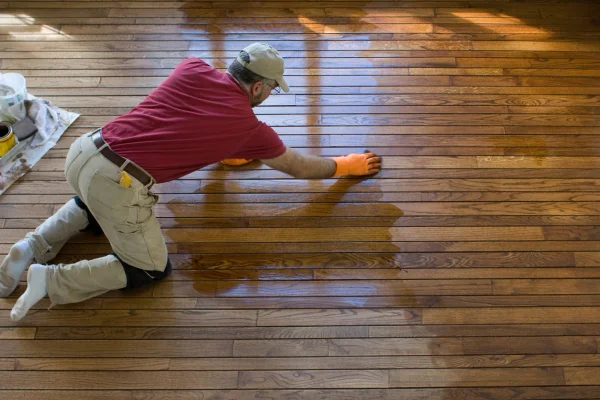
Replacing hardwood floors involves removing existing boards, disposing of waste, and installing new flooring—costing thousands of dollars on average. Refinishing, in contrast, typically costs between $3 and $8 per square foot, depending on your location and project specifics. This makes refinishing a highly cost-effective way to achieve dramatic improvements without the hassle and expense of full replacement.
Preserving the Natural Wood and Character
Not only does refinishing save money, but it also preserves the unique character and natural beauty of the wood. Hardwood floors develop unique grains, textures, and patinas that add warmth and charm to your home. Refinishing preserves these natural features while restoring vibrancy. New floors can never replicate the history and character your original hardwood has gained over time.
When Is the Best Time of Year to Refinish Floors?
Choosing the right time of year to refinish your hardwood floors is crucial for achieving the best results and minimizing complications.
Avoiding Humidity and Temperature Fluctuations
Hardwood refinishing requires stable environmental conditions for the finish to cure correctly. High humidity or drastic temperature swings can cause finishes to dry unevenly, leading to bubbling, peeling, or warping.
Plan to refinish during seasons with:
- Moderate temperatures between 60-80°F
- Humidity levels ideally between 30-50%
- Stable weather without sudden storms or temperature drops
Late spring and early fall often provide the optimal climate for refinishing projects, especially in regions with distinct seasons.
Maintaining Your Floors Between Refinishing
While refinishing is crucial, proper care between refinishing extends the lifespan of your hardwood floors:
- Use rugs or mats in high-traffic areas and entryways to provide a soft surface.
- Clean floors regularly with hardwood-safe products.
- Avoid harsh chemicals or excessive water when cleaning.
- Trim your pet’s nails to prevent scratches and gouges on the flooring.
- Address spills and stains immediately to prevent discoloration.
Routine maintenance reduces premature wear and keeps floors looking their best until it’s time for the next refinish. Hiring professional wood floor refinishing services ensures a flawless finish and maximizes the lifespan of your investment.
Keep Your Hardwood Flooring Beautiful -Know When to Refinish Hardwood Floors
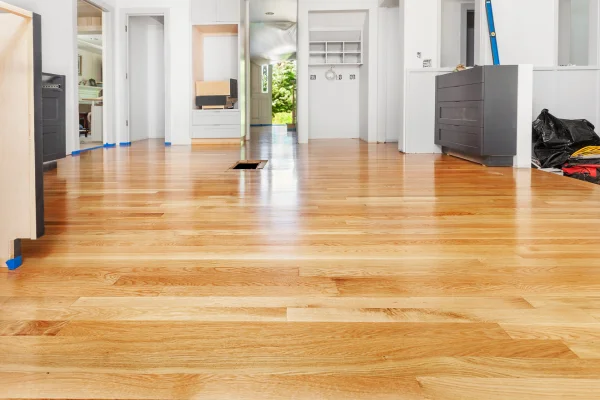
Knowing how often to refinish hardwood floors and recognizing signs such as dullness, scratches, or water damage will help you maintain the beauty and durability of your floors. Refinishing is a smart, budget-friendly alternative to replacement that preserves your floor’s unique character. Timing your project to avoid humidity and temperature extremes enhances outcomes, while professional refinishing ensures lasting protection and a brilliant shine.
Keep your hardwood floors stunning for years to come—schedule your refinishing with experienced specialists who understand how to bring your floors back to life. Make Your Floors Look New Again—Book Refinishing with Our Specialists.
Frequently Asked Questions
Can I refinish my hardwood floors myself?
Yes, you can refinish your hardwood floors yourself, but it requires careful preparation and the right tools. The process involves sanding the floors to remove the old finish, applying stain, and then sealing with a protective finish. Be sure to clear the room entirely and protect walls and vents from dust. While DIY can save money, patience and attention to detail are essential for a professional-looking result. For deep damage or complex finishes, consider hiring a pro.
What tools are needed for hardwood floor refinishing?
Key tools include a drum sander and an edger, which are used to sand large and tight areas, respectively. You’ll also need sandpaper in various grits, a floor buffer for smoothing, and a vacuum or broom to keep the dust under control. Safety gear, such as goggles, a dust mask, and ear protection, is important. Lastly, choose quality wood stain and finish products suited to your floor type for the best outcome.
How long does the refinishing process take?
Refinishing usually takes 3 to 5 days, depending on the size of your space and drying times. Sanding alone can take a full day, followed by one or two days to apply stain and several coats of finish. Each layer requires proper drying and curing time—rushing this can affect durability. Plan to avoid walking on the floor for at least 24 hours after the final coat is applied.
Will refinishing remove deep scratches and dents?
Refinishing can remove most surface scratches and minor dents by sanding down the top layer of wood. However, very deep scratches or gouges might still be visible if they penetrate too far into the wood. In such cases, spot repairs or replacement of damaged boards may be necessary. It’s best to assess the damage early or consult a flooring professional for advice.
How can I maintain hardwood floors after refinishing?
To keep your floors looking great, sweep or vacuum regularly to remove dirt and grit that can scratch the surface. Clean with a damp mop and a pH-neutral cleaner, avoiding harsh chemicals and excessive water. Use area rugs in high-traffic spots and avoid walking on freshly refinished floors with shoes that have stiff soles. Maintaining consistent indoor humidity levels also helps prevent warping or gaps.
When should I consider professional wood floor refinishing services?
If your floors have extensive damage, uneven wear, or if you prefer a flawless finish, professional refinishing is recommended. Pros have specialized equipment and experience to handle complex jobs efficiently and can offer stain and finish options tailored to your style. Hiring experts can save time and ensure your floors look beautiful and last longer.