
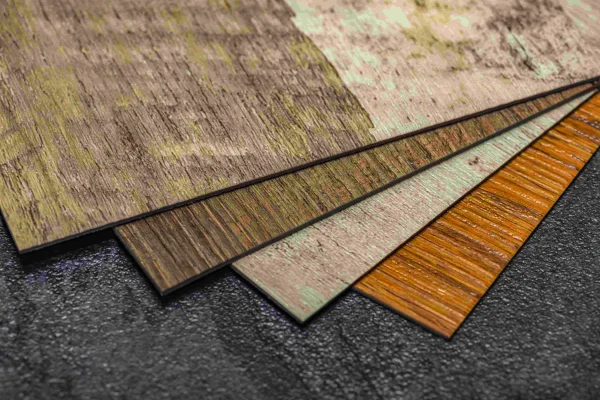
When you are renovating a high-traffic area of your house, the floor you choose is more than just a style statement—it’s the first line of defense for your home’s structure. Between the inevitable spills of a busy morning and the high humidity we often face here in Tennessee, your floors are constantly under pressure.
Selecting the right waterproof flooring options ensures that a leaky dishwasher or a splashing toddler doesn’t turn into a multi-thousand-dollar subfloor repair. In this guide, we’ll break down the best materials for your wet zones, explain the crucial difference between resistant and waterproof, and help you avoid common pitfalls that lead to mold and warping.
Why Waterproof Flooring Matters in Moisture-Prone Areas
If you’ve lived through a Tennessee summer, you know that moisture isn’t just about liquid spills; it’s about the heavy, humid air that can settle into your home. Without the right protection, moisture can slowly degrade your home from the inside out.
Common Moisture Issues in Tennessee Homes
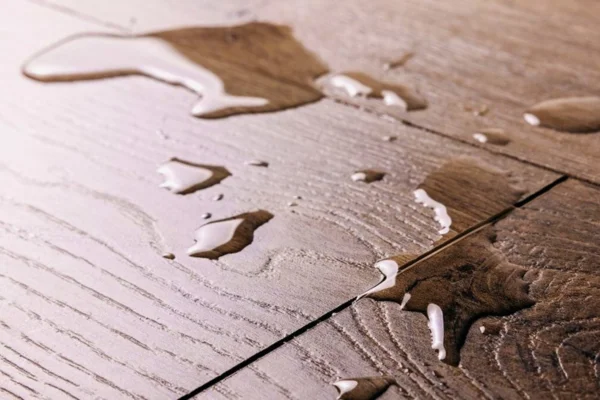
In our region, indoor humidity levels can fluctuate wildly. When warm, moist air meets a cooler floor surface, condensation can form in the tiny gaps between planks. Over time, this invisible moisture leads to mold growth and wood decay.
Beyond the weather, local homes are prone to the standard splash zones: the area around the kitchen sink, the laundry room floor, and the primary bathroom.
What Happens When Flooring Isn’t Waterproof
When non-waterproof materials like traditional hardwood or standard laminate get wet, they act like a sponge, absorbing the liquid and causing the fibers to swell. This leads to cupping (edges rising), buckling (planks lifting off the subfloor), and eventually, structural rot.
Perhaps most concerning is that moisture trapped under the floor becomes a breeding ground for mold, which can impact your indoor air quality long before you see the physical damage.
Waterproof vs. Moisture-Resistant Flooring: What’s the Difference?
One of the biggest mistakes homeowners make is using these two terms interchangeably. Checking the label carefully can save you from a major headache down the road.
What “Moisture Resistant Flooring” Really Means
Think of it like a water-resistant jacket; it can handle a drizzle, but you wouldn’t want to go swimming in it. These materials are treated to repel water for a short window, usually 24 to 72 hours. If you catch a spill quickly, the floor is fine. However, if a pipe leaks while you’re at work, the water will eventually find its way into the core of the plank.
When Moisture-Resistant Flooring Is Not Enough
In contrast, waterproof floors are built from the top down with inorganic materials such as PVC or stone-plastic composites. Even if they are completely submerged in a flood, these materials will not swell, warp, or lose their structural integrity. For bathrooms, basements, and laundry rooms, 100% waterproof is the safe standard.
Top-Rated Waterproof Flooring Options
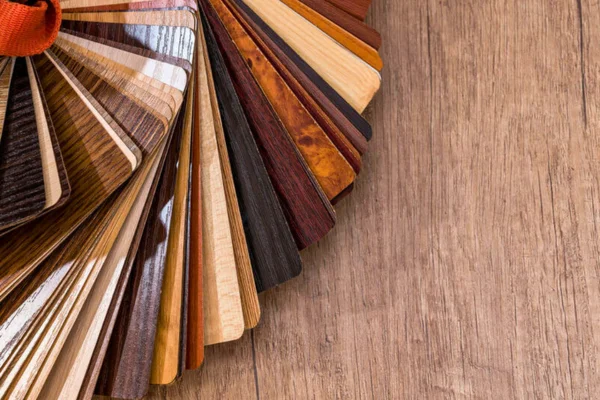
Today’s market offers a menu of styles that mimic natural wood and stone so closely that it’s hard to tell the difference until you see how they handle a bucket of water.
Luxury Vinyl Plank (LVP): The Modern Favorite
LVP has become the gold standard for Tennessee homeowners. It features a rigid core (often SPC, or Stone Plastic Composite) that is entirely impervious to water. It’s softer and warmer underfoot than tile, making it a favorite for kitchens where you might be standing for long periods.
Porcelain & Ceramic Tile: The Classic Standard
If you want a floor that will last 50 years, tile is the answer. Porcelain is denser and more water-resistant than ceramic, making it ideal for walk-in showers. While the tile itself is waterproof, remember that the grout is the weak point; it must be properly sealed to prevent moisture from seeping into the subfloor.
Waterproof Laminate: Technology for Your Feet
Newer waterproof laminate has a highly compressed, resin-infused core and tight-locking joints that prevent water from reaching the wood fibers. While it’s a great choice for kitchens, we still recommend LVP or tile for full bathrooms where standing water is more common.
Engineered Waterproof Flooring Systems
These systems typically feature a robust, stone-based core (SPC) topped with a high-definition decorative layer. They are designed to stay perfectly flat even during Tennessee’s most humid months, offering the best moisture-resistant flooring performance with the look of high-end wood.
Choosing Floors for Your Home’s Wet Zones
Every room has a different moisture profile. Matching the material to the specific threats of the room is the best way to protect your investment.
Best Flooring for Laundry Rooms: Handling Heavy Loads and Leaks
The best flooring for a laundry room needs to handle two things: vibration and potential floods. LVP is excellent here because it dampens the sound of a spinning washer and can handle a burst hose without blinking. Rubber flooring is another heavy-duty alternative if the room doubles as a mudroom or utility space.
Flooring for Bathrooms and Kitchens: Safety, Style, and Slip Resistance
In bathrooms, slip resistance is just as important as waterproofing. Look for tiles with a textured grip or LVP with an embossed-in-register (EIR) finish. For these two areas, you want a seamless look that can handle both the steam of a shower and the high foot traffic of a meal-prep area.
Budget Guide: Cheapest Waterproof Flooring Options
You don’t have to spend a fortune to get a dry home. However, cheap can become expensive if the quality isn’t there.
Getting the Most Value for Your Money
For high performance on a budget, sheet vinyl is often the winner. Its lack of seams makes it naturally superior at preventing water from reaching the subfloor. If you prefer the look of wood, entry-level Luxury Vinyl Plank (LVP) is the next best move. To maximize value, look for clearance lines from reputable brands, which often offer a 100% waterproof core at a fraction of the cost of newer styles.
The Hidden Costs of Choosing the Wrong Flooring
Overlooking quality for a low sticker price often leads to these three hidden expenses:
- The Replacement Cycle: If you have to replace a cheap floor in five years, you’ve effectively paid double the price of a mid-range, 20-year floor.
- Subfloor Damage: If moisture seeps through, it rots your plywood subfloor, a structural repair that can cost thousands more than the flooring itself.
- Resale Devaluation: Low-quality flooring can lead to lower home offers as buyers factor in the cost of an immediate renovation.
Waterproof Flooring Types to Avoid in Wet Areas
Avoid water-resistant bamboo, cork, or standard laminate in bathrooms. These organic materials eventually swell and rot when exposed to steam. Additionally, steer clear of peel-and-stick vinyl in laundry rooms; dryer heat and minor dampness often cause the adhesive to fail, leading to curling edges and trapped grime.
Beyond the Material: The Importance of Professional Installation
You can buy the most expensive waterproof flooring materials, but if they aren’t installed correctly, they will fail.
It’s All About the Subfloor (and Sealants)
Before a single plank is laid, a local flooring company will perform moisture testing on your concrete or plywood subfloor. If the subfloor is damp, that moisture will get trapped under your new waterproof floor, leading to odors and mold. Professionals also ensure that expansion gaps are properly sealed and that perimeter edges (such as those around a bathtub) are sealed with 100% silicone caulk.
How a Specialist Prevents Long-Term Damage
A flooring specialist understands the nuances of click-lock integrity. If the joints aren’t sealed perfectly, water can bypass the waterproof surface and rot your house from the inside out. Professional workmanship is the only way to ensure your warranty remains valid and your home stays dry.
Final Thoughts: Protecting Your Investment with the Best Waterproof Flooring Methods
Choosing from the many waterproof flooring options available today is one of the smartest upgrades you can make for your home’s longevity. By prioritizing 100% waterproof materials like LVP or porcelain tile and insisting on professional installation, you create a space that is as durable as it is beautiful.

Whether you are looking for the best local waterproofing options or simply trying to navigate different flooring types, remember that quality workmanship pays for itself. Protecting your home shouldn’t stop at the back door; get a professional Waterproof Flooring estimate now and start enjoying your space with total peace of mind!
Frequently Asked Questions
Yes, provided the existing floor is flat, stable, and moisture-free. Floating floors like LVP are designed for this. However, if your current floor has mold, rot, or significant dips, it must be removed. Installing over an uneven surface will eventually cause the waterproof locking joints to pop and fail.
Regular sweeping and a damp mop with a pH-neutral cleaner are all you need. Avoid steam mops on LVP or laminate; the intense heat can weaken the chemical bonds of the core and damage the locking mechanisms over time. Never use wax or high-shine restorers, as they create a dull buildup on waterproof surfaces.
LVP and waterproof laminate typically last 15–25 years, depending on the wear layer. Porcelain tile is the champion, often lasting 50+ years. To maximize your investment, choose a wear layer of at least 20-mil for high-traffic areas like kitchens and hallways.
It is the choice we recommend to all our clients. Basements naturally wick moisture through the concrete slab. Waterproof LVP with an attached underlayment or sealed porcelain tile prevents the musty, damp basement smell associated with carpet or traditional wood.
Absolutely. Look for FloorScore or Greenguard Gold certifications, which ensure the flooring doesn’t off-gas harmful chemicals. Many modern LVP products are also made from recycled plastics, and porcelain tile is a natural choice made from refined clays.
In most cases, no. Swapping surface materials is considered a cosmetic upgrade. However, if your flooring project involves moving plumbing (like a toilet) or repairing structural subflooring, your local Tennessee municipality may require a permit to ensure the work meets safety codes.