
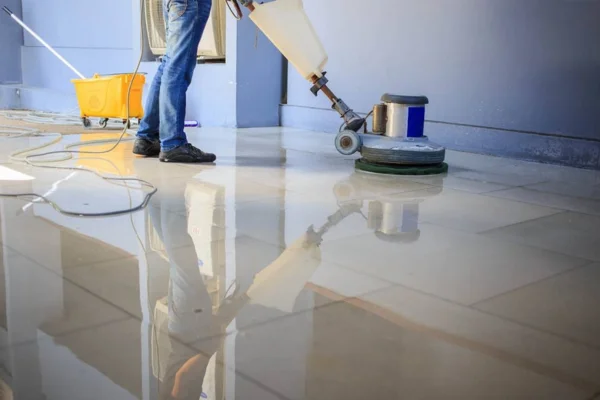
If your marble floors have lost their original sparkle, you’re not alone. Even the most beautiful marble can become dull over time from everyday wear, foot traffic, or improper cleaning. But the good news? With the right approach, your marble can look vibrant and polished again.
Understanding what causes dullness, the proper polishing techniques, and how to maintain your floors can help restore their natural beauty and keep them shining for years. Here’s a complete guide to polishing marble flooring effectively.
Why Do Marble Floors Lose Their Shine Over Time?
Marble is a natural stone, and like any surface, it can show signs of wear over the years. Scratches, stains, and dullness are common issues that can detract from the elegance of your flooring. Recognizing these early signs helps you determine whether your marble needs a quick polish or a more thorough restoration.
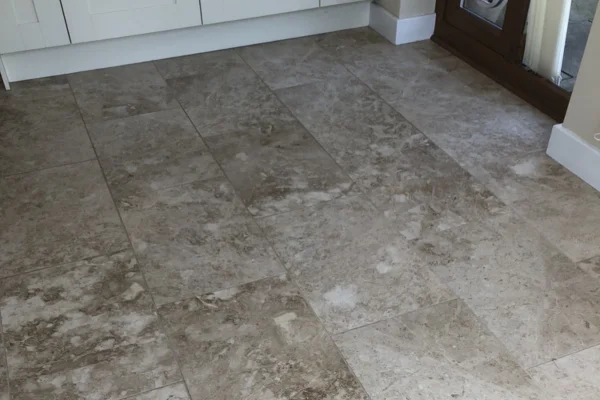
Common Reasons Your Marble Looks Dull or Scratched
Several factors contribute to dull marble floors:
- Foot traffic: Daily use gradually wears down the surface.
- Improper cleaning: Harsh chemicals or acidic cleaners can etch the stone.
- Environmental: Humidity, temperature fluctuations, and sunlight can alter the finish.
Understanding these causes is essential when learning how to polish marble flooring without risking damage.
How to Tell If Your Marble Needs Polishing or Restoration
Minor dullness usually responds well to simple polishing. However, deep scratches, etching, or persistent stains may require professional restoration. Regularly inspecting your floors and addressing small imperfections early ensures long-lasting shine and minimizes more extensive repairs later.
What You’ll Need to Polish Marble Floors Safely
Polishing marble floors requires the right tools, materials, and preparation. Prioritizing safety and understanding the difference between DIY and professional methods can make a big difference in your results.
Essential Tools and Supplies for Marble Polishing
Achieving a brilliant shine on your marble floors requires the right tools and supplies to get the job done effectively and safely. Gather:
- Diamond polishing pads: Smooth and refine the surface.
- Floor buffer: Ensures even polishing across large areas.
- pH-neutral cleaner: Maintains the stone’s integrity while cleaning.
With these supplies, your marble will be ready for a professional-level shine at home.
DIY vs. Professional Tools – What’s the Difference?
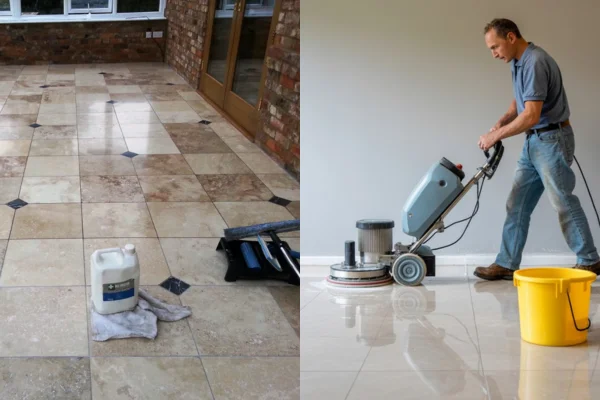
DIY tools work well for small spaces, but may lack the precision or power for larger areas. Professional equipment, like industrial buffers and specialized diamond pads, delivers superior results much faster. When learning how to polish marble floors, investing in higher-quality tools can prevent damage and create a flawless finish.
Safety Gear and Floor Preparation Tips
Before you start polishing your marble floors, here’s what you’ll need:
- Wear safety goggles to protect your eyes from dust and debris.
- Use gloves to avoid chemical contact with your skin.
- Consider knee pads for comfort during prolonged polishing.
Additionally, clear the area and remove furniture to prevent accidents and ensure even coverage.
Step-by-Step Guide: How to Polish Marble Floors at Home
To polish your marble floors at home, follow a precise step-by-step process. Learn how to polish marble flooring effectively with these instructions to restore shine without risking your marble:
Step 1 – Deep Clean and Rinse the Surface
- Sweep or vacuum thoroughly to remove dust and grit.
- Mix a pH-neutral cleaner with warm water.
- Gently mop the floor and rinse with clean water to leave a spotless surface for polishing.
Step 2 – Apply Marble Polishing Compound
Select a high-quality polishing compound suitable for your marble type. Using a soft cloth or applicator, spread it evenly in small sections, applying light pressure to avoid scratches. Allow it to sit briefly before buffing.
Step 3 – Buff and Restore the Shine
- Use a clean, soft buffing pad.
- Work in circular motions, ensuring full coverage.
- Apply marble-safe polish evenly to enhance the luster.
This step restores the natural brilliance of your floors, leaving them radiant and smooth.
Step 4 – Seal the Marble for Long-Lasting Results
A good sealer protects your marble from moisture, stains, and everyday wear:
- Apply evenly with a soft cloth or applicator.
- Follow manufacturer instructions for drying times.
- Buff lightly for a flawless finish.
Sealing preserves the shine and minimizes maintenance needs
How Do Professionals Polish Marble Floors?
While DIY polishing can be effective, professionals provide deeper restoration when needed. Let’s explore how professionals guarantee your marble floors look their absolute best.
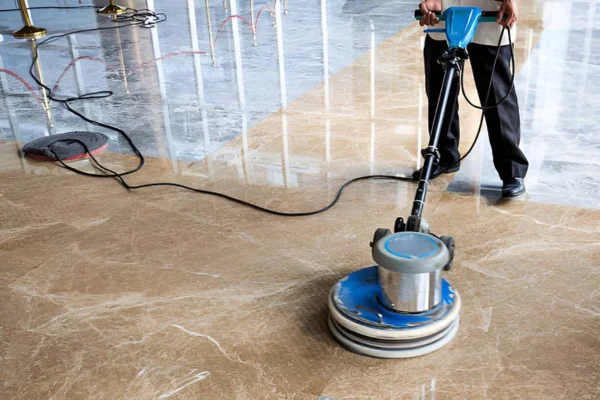
The Professional Marble Restoration Process Explained
Professional marble floor service involves a meticulous process that guarantees that your flooring shines like new. Here’s what you can expect:
- Deep Cleaning: Specialized products remove embedded dirt and grime.
- Grinding: Imperfections and scratches are eliminated.
- Polishing: Diamond pads or compounds bring out a brilliant shine.
This method ensures consistent, long-lasting results.
When to Call a Professional Marble Polisher
When learning how to polish marble flooring, consider professional help if:
- Scratches or etching persist despite DIY polishing.
- Floors require honing or high-gloss finishes.
- You want expert sealing to maximize longevity.
Professionals can restore even heavily worn floors efficiently.
Industry Standards and Best Practices
While many homeowners attempt to maintain their marble floors, professionals typically follow these industry standards:
- Assessment: Evaluate the floor’s condition.
- Cleaning: Use pH-neutral cleaners.
- Polishing: Apply diamond pads or fine powders.
- Sealing: Protect the finish for years to come.
Following these standards ensures your floors achieve maximum shine safely.
Maintenance Tips to Keep Marble Floors Shiny Longer
Regular maintenance prolongs your marble’s beauty:
- Sweep or vacuum frequently.
- Wipe spills immediately.
- Use mats at entryways to reduce dirt.
- Place coasters under heavy furniture to avoid scratches.
- Clean with pH-neutral solutions to prevent etching.
These simple habits maintain your floors’ polished appearance.
Eco-Friendly and Natural Methods to Polish Marble Flooring
When you’re looking for other methods to polish your marble flooring, a few simple ingredients can work wonders without harsh chemicals. For gentle, natural care:
- Baking Soda Paste: Mix with water, apply to stains, and buff gently.
- Olive Oil: Apply lightly to enhance shine.
- Diluted Vinegar: Use sparingly, only for spot cleaning, as high acidity can damage marble.
Common Mistakes to Avoid When Polishing Marble Floors
When polishing your marble floors, it’s advisable to avoid certain common pitfalls that can lead to damage:
Over-Polishing and Etching Risks
- Avoid excessive polishing frequency.
- Use appropriate pads to prevent scratches.
- Maintain consistent pressure for even results.
Using the Wrong Cleaning Agents
Using the wrong cleaning agents can greatly diminish the beauty of your marble floors, even after careful polishing. Acidic or abrasive cleaners can etch marble surfaces. Always opt for pH-balanced solutions specifically formulated for marble.
Skipping the Sealing Step
Sealing is crucial to:
- Prevent stains and spills.
- Protect from moisture and etching.
- Preserve shine over time.
Skipping this step can compromise results and longevity. Invest the time to seal your floors; they’ll thank you later.
Final Thoughts
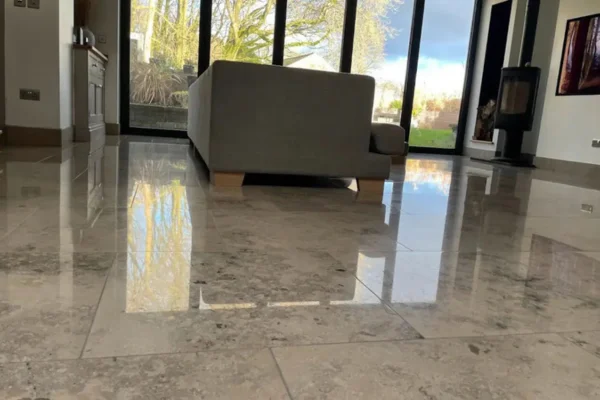
Restoring the shine of your marble floors is achievable with the right approach. Learning how to polish marble flooring correctly, along with regular cleaning and careful maintenance, will keep your floors looking beautiful for years. Avoid harsh chemicals, over-polishing, and always seal after polishing to protect your investment. With consistent care, your marble can maintain its elegance, adding timeless beauty to your home.
Ready to bring your marble floors back to life? Follow these steps or contact our trusted floor care expert near you for a professional polish that lasts.
Frequently Asked Questions
1. How do you polish marble floors without a machine?
You can polish marble by hand with a few simple steps. First, clean the surface with a pH-neutral cleaner to remove dirt and grime. Next, make a paste of baking soda and water and apply it to any stains. Buff the area in small circular motions with a soft cloth, repeating as necessary until you achieve the desired shine.
2. What is the best marble polishing compound for home use?
For home polishing, choose a compound with fine abrasives, such as calcium carbonate or tin oxide. These gently restore shine without damaging the surface. Always follow instructions for application and curing times to get a professional-looking finish.
3. Can you use vinegar or baking soda to clean marble?
Avoid acidic or abrasive substances, such as vinegar, lemon juice, or undiluted baking soda, as they can etch or dull marble. Stick to pH-balanced cleaners, mild dish soap mixed with water, or commercially formulated marble cleaners. Always test any cleaner in a small, inconspicuous area before treating the entire floor.
4. How often should marble floors be polished and sealed?
Polishing should typically be done every 6–12 months, depending on foot traffic. Heavily used areas may need more frequent attention. Sealing should occur at least once a year to protect against moisture, staining, and etching. Regular maintenance prolongs shine and minimizes the need for costly professional restoration.
5. What’s the cost of professional marble floor polishing?
Professional marble polishing usually costs between $3 and $8 per square foot, depending on the size of the area, the condition of your floors, and your location. Floors with deep scratches, stains, or extensive wear may require extra work, which can increase costs. Professionals provide grinding, polishing, and sealing for optimal results.
6. Can marble floors be maintained without a professional?
Yes, with regular cleaning, gentle polishing, and proper sealing, homeowners can maintain marble floors themselves. Avoid acidic cleaners and abrasive tools, sweep frequently, wipe spills promptly, and use coasters or mats under heavy furniture. For tough stains or deep scratches, a professional may still be the best option.