
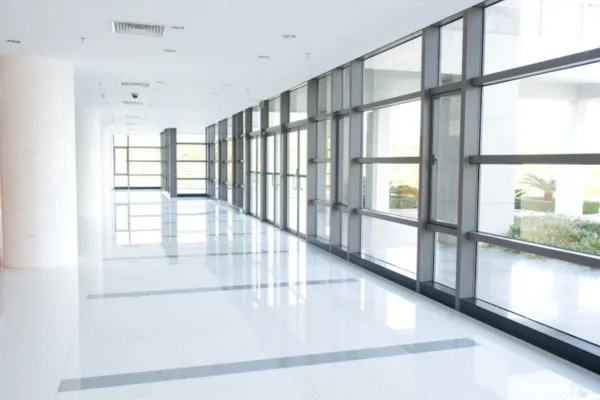
Choosing the right types of commercial flooring requires balancing durability, functionality, and style to suit your business’s needs. Consider factors like foot traffic, maintenance, and the atmosphere you want to create. Each flooring option—from carpet tiles to vinyl—offers unique benefits and impacts your space’s overall appeal.
Making the correct choice goes beyond aesthetics; it’s about finding a solution that supports both practicality and design. Now is the ideal time to explore durable commercial flooring options that balance style and function. Quality flooring installation for business ensures long-lasting results. Select versatile flooring options for commercial buildings and rely on experienced professional flooring contractors to deliver superior craftsmanship that enhances your workplace environment.
Let’s explore key considerations to guide your decision.
Why Choosing the Right Commercial Flooring Matters
Choosing the right commercial flooring isn’t just about aesthetics; it also directly impacts safety and functionality in your space. A poor choice can lead to costly mistakes, affecting everything from employee morale to customer satisfaction. When you understand these factors, you can make a decision that truly benefits your business.

Flooring Impacts Safety, Aesthetics, and Functionality
The right flooring can significantly influence your commercial space’s safety, aesthetics, and functionality. By selecting the appropriate types of commercial flooring, you guarantee a safe environment, enhance visual appeal, and improve usability.
Whether you’re considering commercial flooring installation or exploring various commercial flooring options, your choice directly impacts how clients and employees experience your space, making it essential to prioritize these factors.
Mistakes Can Be Costly in Commercial Spaces
Choosing the wrong flooring for a commercial setting can lead to long-term issues that affect safety, efficiency, and brand perception. Before committing to a material, be aware of these common mistakes that can cost your business time and money:
- Underestimating Maintenance Needs: Some flooring types require frequent cleaning or specialized care. Selecting high-maintenance materials without proper planning can result in increased labor costs and operational disruptions.
- Ignoring Safety Requirements: Slippery surfaces or uneven flooring can pose significant safety risks to children, the elderly, and even able-bodied individuals. Failing to meet safety standards results in accidents, liability claims, or regulatory fines.
- Choosing Style Over Function: Aesthetic appeal is important, but not at the expense of durability. Flooring that looks good but wears out quickly can damage your brand image and require premature replacement.
- Overlooking Traffic Volume: Light-use flooring in high-traffic areas will deteriorate quickly simply due to the imbalance in design and practical usage. Always match flooring strength to expected foot traffic to avoid early damage.
- Skipping Long-Term Cost Analysis: Focusing only on upfront costs without considering lifecycle expenses. These can include standard repairs and replacements, which can result in a higher total investment over time.
Avoiding these common flooring mistakes helps protect your investment, enhance safety, and maintain a professional image, ensuring your commercial space performs well now and in the future.
Most Common Types of Commercial Flooring

The right commercial flooring options create a professional look and withstand heavy use. Reliable flooring installation for business adds value. Discover modern flooring options for commercial buildings, installed by skilled professional flooring contractors who guarantee durability, performance, and visual appeal.
When selecting commercial flooring, you’ll encounter several popular options that cater to different needs and budgets. Let’s explore these common flooring choices to help you find the best fit for your space.
Vinyl Flooring – Budget-Friendly and Easy to Maintain
Vinyl flooring is a cost-effective solution for busy commercial spaces. It’s resistant to stains, scratches, and wear, making it ideal for high-traffic areas. Installation is quick and straightforward, helping reduce labor costs. With a wide range of styles available, vinyl lets you achieve a polished look without overspending. It’s a wise choice for businesses seeking durability and low maintenance on a budget.
Laminate Flooring – Affordable and Stylish
Laminate flooring delivers style and affordability in one package. It replicates the look of hardwood or stone, offering a high-end appearance without the premium price. Easy to install and maintain, laminate suits a variety of commercial settings. Its versatility and cost-effectiveness make it a go-to option for business owners looking to enhance their space while staying within budget.
Tile Flooring – Durable and Moisture-Resistant
Tile flooring is renowned for its strength and resistance to moisture, making it an ideal choice for restaurants, retail shops, and other high-traffic areas. It handles spills and foot traffic with ease while offering a wide selection of colors and finishes. Tile is easy to clean and maintain, providing businesses with a reliable and attractive flooring solution that withstands daily demands.
Carpet Tiles – Comfortable and Noise-Reducing
When selecting flooring for commercial spaces, carpet tiles offer a unique blend of comfort and functionality. They’re easy to install and replace, making them a practical choice for busy environments. Plus, their noise-reducing properties can enhance productivity by minimizing sound distractions. With various colors and patterns, you can create an inviting atmosphere that reflects your brand’s identity while ensuring comfort for employees and clients.
Epoxy Flooring – Heavy-Duty and Long-Lasting
Epoxy flooring stands out as a top choice for commercial spaces that demand durability and longevity. Its seamless surface resists stains, chemicals, and heavy foot traffic, making it ideal for warehouses, garages, and retail environments. Additionally, epoxy’s easy maintenance and customizable designs enable you to create the perfect look for your space while providing a strong, long-lasting foundation.
How to Choose the Best Flooring for Your Business
Flooring plays a critical role in shaping the functionality, safety, and aesthetic of any commercial space. With numerous types of commercial flooring available, it’s essential to select materials that align with your business’s specific needs, traffic levels, and maintenance capabilities.
High-quality commercial flooring options provide strength and style for busy environments. Expert flooring installation for businesses keeps operations running smoothly. Select from advanced flooring options for commercial buildings with the support of trusted professional flooring contractors who prioritize precision and long-term durability.
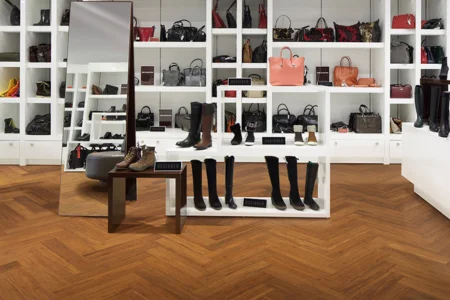
Consider Foot Traffic and Daily Use
Understanding foot traffic and daily use is essential for selecting the right flooring for your business. High-traffic areas need durable, resilient materials that can withstand wear and tear. Consider how often your space will be used and by whom. If your business experiences heavy foot traffic, opt for flooring that’s easy to clean and maintain, ensuring it remains attractive and functional over time.
Match Flooring to the Business Type (Office, Retail, Healthcare, Restaurant)
Choosing the right flooring depends on your business’s function, traffic levels, and safety needs. Here’s how to align flooring with your environment:
- Offices: Carpet tiles reduce noise, add comfort, and support a professional atmosphere.
- Retail Spaces: Vinyl or laminate offers durability and easy cleaning, making it ideal for high-traffic areas.
- Healthcare Facilities: Non-slip, sanitary surfaces like sheet vinyl or rubber flooring meet hygiene standards.
- Restaurants: Tile or epoxy resists spills, stains, and wear from constant movement.
Tailoring your commercial flooring installation to your business type ensures long-term performance and brand consistency.
Maintenance, Durability, and Budget Considerations
Choosing the right flooring means balancing upfront costs with long-term performance and upkeep. A well-chosen selection can reduce downtime, improve efficiency, and maintain a professional appearance in your space. Here are key factors to consider before making a decision:
- Low Maintenance: Laminate and vinyl are easy to clean and resist everyday wear, saving time and labor.
- Durability: Epoxy and tile withstand heavy use, minimizing the need for frequent replacements.
- Budget Planning: Account for installation, cleaning supplies, and future repair costs—not just the initial price.
- Lifecycle Costs: Durable materials may cost more upfront, but they offer long-term savings through reduced maintenance and increased longevity.
Smart flooring choices support operational efficiency, reduce downtime, and maintain a polished look without straining your budget.
The Value of Local Expertise in Commercial Flooring
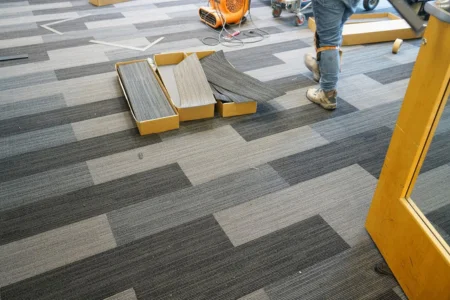
When exploring different types of commercial flooring, choosing local contractors brings unique advantages.
Local professionals understand community-specific needs, such as climate, building codes, and the daily wear businesses face in the area. Their familiarity with local regulations ensures smooth commercial flooring installation, while their knowledge of reliable suppliers often results in faster service and better pricing.
Partnering with nearby experts means your flooring options for commercial buildings are tailored to real-world conditions, not just generic recommendations. Working with trusted professional flooring contractors in your region guarantees flooring choices that meet both business demands and local expectations.
Final Thoughts on Types of Commercial Flooring Choices
Choosing the right commercial flooring is vital for your business’s success. It not only affects safety and aesthetics but also impacts functionality and maintenance.
By considering factors like foot traffic, your specific business type, and your budget, you can make an informed decision that meets your needs. Take the time to evaluate your options, and you’ll create a space that enhances your brand image while ensuring comfort and durability for all who enter.
Enhance interiors with resilient commercial flooring options that meet daily demands. Professional flooring installation for business ensures seamless results. Tailored flooring options for commercial buildings combined with certified professional flooring contractors deliver the reliability, design, and longevity every commercial space deserves.
Not Sure What Flooring Fits Your Business? Let Our Experts Help You Choose the Right Flooring for Your Business!
Frequently Asked Questions
What Is the Average Lifespan of Commercial Flooring Options?
When considering commercial flooring, you’ll find that the average lifespan varies. Vinyl typically lasts 10-20 years, carpet around 5-15 years, and hardwood can endure 20-50 years, depending on maintenance and foot traffic.
How Does Flooring Affect a Business’s Energy Efficiency?
Flooring impacts your business’s energy efficiency by influencing insulation, heat retention, and cooling needs. Choosing the right material can reduce energy consumption, lower utility bills, and create a more comfortable environment for you and your customers.
Can I Install Commercial Flooring Over Existing Floors?
Yes, you can install commercial flooring over existing floors, but guarantee the current surface is clean, level, and in good condition. Skipping this step may lead to issues such as unevenness or poor adhesion later.
What Maintenance Is Required for Different Flooring Types?
Different flooring types require various maintenance. You’ll need to regularly sweep and mop hard surfaces, vacuum carpets, and schedule periodic deep cleanings to maintain a clean environment. Always check the manufacturer’s guidelines to verify you’re using the correct products for optimal longevity.
How Do I Budget for Commercial Flooring Installation?
To budget for commercial flooring installation, begin by estimating the costs of materials and labor. Factor in additional expenses, such as underlayment, adhesives, and potential future maintenance costs. Always allow for a contingency to cover unexpected costs that may arise during installation.