

There are few things more frustrating than walking across your home, only to be greeted by loud, squeaky floors. Whether it’s a soft creak in the hallway or a persistent squeal underfoot, these noises are not just annoying—they’re often a sign of an underlying issue that could get worse over time. Many homeowners and property managers try to patch the problem with quick fixes, but the truth is, those squeaks usually come from something deeper: your subfloor and floor joists.
Understanding what causes these sounds and knowing the right approach to solve them is the key to lasting results. Today, we will break down the common reasons behind squeaky floors, explain why subfloor repair and floor joist repair matter, and show you how professional services can help you fix squeaky floors for good.
If you’re tired of the creaks and ready to walk quietly and confidently in your space, this is the place to start.
What Causes Squeaky Floors?
Squeaky floors are usually the result of friction—parts of your flooring system moving when they shouldn’t. Understanding the specific cause helps determine the right solution, whether it’s a minor adjustment or full subfloor check and repair. Here’s a closer look at the most common culprits behind floor noise.

Subfloor Movement and Loose Fasteners
One of the top reasons for squeaky floor repair is subfloor movement. Over time, the fasteners that secure your flooring can loosen due to normal wear or improper installation. When the subfloor shifts against nails, screws, or adhesive, it creates that familiar squeaking sound.
Floor joist repair may also be needed if the joists themselves have shifted or warped. If fasteners no longer hold the subfloor tightly to the joists, the floor will continue to flex and squeak when pressure is applied.
Wood Expansion and Seasonal Changes
Wood is a natural material that responds to changes in humidity and temperature. During seasonal shifts, flooring and subfloors expand and contract, sometimes pulling away from their fasteners or rubbing against adjacent materials. This movement can create gaps between boards or subfloor panels, causing squeaks whenever pressure is applied.
Even well-installed flooring can suffer from these seasonal changes, making it a common concern among homeowners to stop floor squeaks during humid summers or dry winters.
Wear and Tear on Joists or Beams
Over time, floor joists or beams can weaken due to age, exposure to moisture, or inadequate support. This structural fatigue allows movement between the joists and the subfloor, contributing to ongoing squeaks. In these cases, repairing the floor joists becomes essential to reinforce the structure and ensure the subfloor remains secure. Ignoring these issues may lead to larger structural problems down the line.
Can DIY Methods Fix the Problem?
While there are plenty of DIY hacks that claim to fix squeaky floor issues, most are only short-term solutions.
Methods like sprinkling baby powder between floorboards or driving a few extra nails into problem areas may temporarily silence the noise. Still, they don’t address the underlying cause—loose subfloors or compromised joists. Without proper subfloor repair, those squeaks will likely return, sometimes worse than before.
If the noise comes from deep within the floor system, especially near the joists, a surface-level fix won’t hold up. This is why, when it comes to stopping floor squeaks effectively and permanently, professional repair is the smart choice.
The Role of Subfloors in Floor Noises

Your subfloor is the foundation of your flooring system. It supports the finished floor and provides stability between the floor joists. When the subfloor is damaged or loose, even the best-looking floors can squeak and shift.
What is a Subfloor and Why It Matters
The subfloor is the layer of plywood or oriented strand board (OSB) that sits directly on top of your floor joists. It acts as the support base for your hardwood, laminate, tile, or carpeted floors. A solid, secure subfloor distributes weight evenly and prevents excess movement.
When subfloors aren’t properly attached or the material has deteriorated, floor squeaks are almost inevitable. Understanding the importance of the subfloor is key to effective squeaky floor repair.
How Damaged or Loose Subfloors Cause Squeaks
When a subfloor becomes loose or starts to separate from the floor joists, it creates friction between the wood panels and the fasteners used to secure them. This is a leading cause of floor squeaks.
Additionally, gaps between subfloor seams or between the subfloor and joists allow for flexing when weight is applied. This repetitive movement makes the squeaking worse over time, requiring proper subfloor maintenance or repair and sometimes joist repair to stop the problem at its source.
Signs That Your Subfloor Needs Repair or Replacement
If you notice persistent squeaks in certain areas, uneven flooring, soft spots, or visible dips, these are strong indicators that your subfloor may need attention. Another telltale sign is if your flooring feels unstable or bouncy when you walk across it.
In some cases, water damage or mold beneath the surface weakens the subfloor, making subfloor repair or replacement necessary to address squeaky floor issues effectively.
Our Professional Subfloor Services: What to Expect
At Murfreesboro Flooring, we understand how frustrating squeaky floors can be—and we know how to stop floor squeaks the right way. Our process starts with a detailed inspection of your flooring system to identify the root cause of the noise.
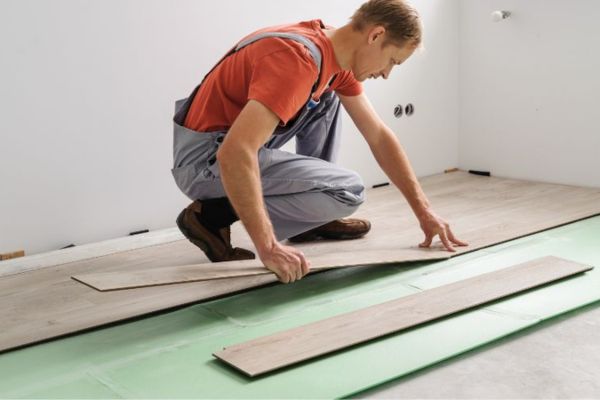
Whether it’s loose subfloors, failing fasteners, or joist problems, we offer tailored solutions that include subfloor system repair, joist repair, and reinforcement. We don’t believe in quick fixes that only mask the problem. Instead, our expert team focuses on long-term results to ensure your flooring is safe, stable, and quiet. With professional tools and proven techniques, we help fix squeaky floor issues once and for all.
When Should You Consider a Subfloor Inspection?
If you’re dealing with ongoing squeaks, soft spots in your flooring, or signs of structural movement, it’s time to schedule a subfloor inspection. Waiting too long can lead to more serious damage, including compromised floor joists and subfloor rot.
At Murfreesboro Flooring, our subfloor inspections are thorough—we assess the full condition of your flooring system to recommend the right repair solution. Whether you’re concerned about one noisy area or the entire floor, knowing when to call in a professional can save you money and stress in the long run.
Conclusion: Ready to Fix Squeaky Floors for Good?
Don’t let floor noise disrupt your home’s comfort. Squeaks and creaks are often a sign that your flooring system needs attention, especially when subfloors or floor joists are the culprits. Instead of relying on temporary fixes, trust the experts at Murfreesboro Flooring for reliable solutions to squeaky floors and repairs to your subfloor system.
Our team specializes in identifying the real cause of the noise and delivering lasting solutions, including floor joist repair where needed. If you’re ready to fix squeaky floor issues for good, contact Murfreesboro Flooring today and schedule your inspection.
Your floors shouldn’t talk back—let our professionals silence them with high-quality subfloor solutions. Let’s bring quiet back to your space.
Frequently Asked Questions (FAQs)
1. What is the leading cause of squeaky floors?
The most common cause of squeaky floors is loose connections between the subfloor and the floor joists. When these materials rub against each other—whether due to worn fasteners, wood movement, or improper installation—they create friction, resulting in those annoying squeaks. Subfloor repair or joist repair is often required.
2. Can I fix squeaky floors without having to tear up the floor?
Some surface-level DIY methods, like adding screws from below or using special repair kits, may offer temporary relief. However, if the squeak is caused by subfloor or joist issues, a lasting fix often requires direct access to the subfloor. Professional subfloor system repair ensures the problem is adequately addressed without guesswork.
3. How do I know if my subfloor needs repair?
Persistent squeaking, sagging or uneven flooring, soft spots, and areas that feel unstable when walked on are all signs your subfloor may be damaged or loose. In some cases, water damage or visible mold might also indicate deeper issues. A professional inspection can confirm whether subfloor maintenance or repair is needed.
4. Why does my floor squeak more in certain seasons?
Wood naturally expands with humidity and contracts in drier conditions. Seasonal changes can cause movement between subfloor panels, fasteners, and joists, leading to more pronounced squeaks. This is especially common in older homes. Regular inspections and proper subfloor repair can help prevent these seasonal squeaking issues from worsening.
5. How much does professional squeaky floor repair cost?
The cost of squeaky floor repair depends on the size of the affected area, the extent of subfloor damage, and whether joist repair is also needed. To get an accurate estimate based on your specific situation, contact Murfreesboro Flooring for a detailed inspection and customized quote.